Identify before applying
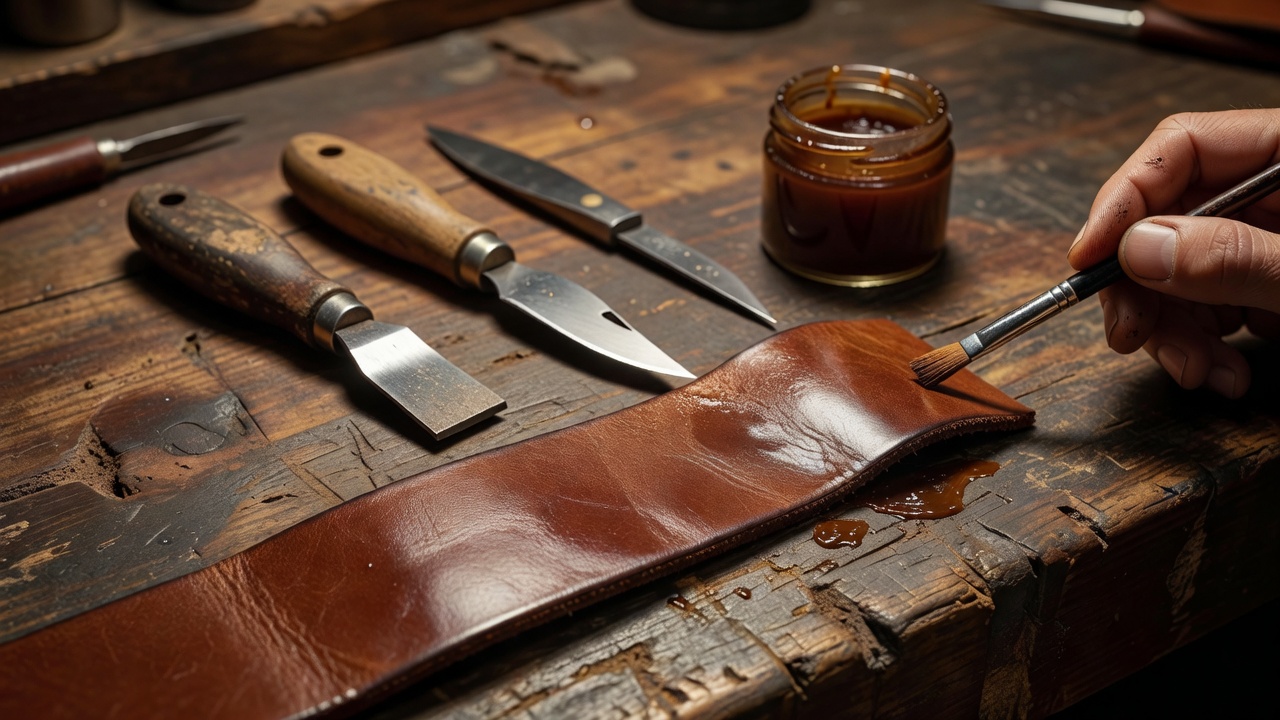
A care product suitable for one leather can stain or alter another. Smooth pigmented leather, aniline leather, suede, nubuck and patent finishes do not share one universal cleaning routine. Begin with the maker's instructions and the material description. If the description is incomplete, ask rather than guessing from colour or smell.
Empty the accessory and remove loose dust with a clean, soft cloth or a brush approved for the material. Inspect high-contact areas before adding any liquid. Grit around a zipper, dust trapped at a fold and debris inside a pocket can produce ongoing abrasion. Cleaning those accessible areas gently may be more useful than coating the entire exterior.
When a manufacturer recommends a product, test it on a small inconspicuous area and allow it to dry fully before judging the result. Look for darkening, colour transfer, altered sheen or a changed feel. A successful small test reduces uncertainty but does not guarantee identical results across every panel. Avoid household solvents, abrasive sponges and improvised mixtures.
Manage water without adding heat
If an ordinary leather bag becomes wet, gently blot surface moisture with a clean absorbent cloth. Do not rub aggressively. Empty it, open suitable compartments and let it dry naturally in a ventilated place away from radiators, hairdryers and strong sunlight. Direct heat can create damaging changes and may affect adhesives or finishes as well as the leather.
Support the shape lightly with clean, colourfast material where the construction permits, without overstuffing. Replace damp packing material and check that the lining is drying too. Do not seal a damp bag in plastic. Persistent dampness or a musty smell needs attention before the next trip, not another layer of conditioning product.
Water resistance is not the same as waterproof construction. Stitch holes, zipper tapes, exposed edges and unsealed seams can admit moisture even when the outer finish sheds a light splash. Keep electronics and important documents in suitable protective containers. A treatment spray should never be treated as a guarantee against a prolonged downpour or immersion.
Separate patina from deterioration
Patina is a broad descriptive word for changes associated with use and ageing, not a technical excuse for every defect. Gradual colour deepening and gentle surface polishing may be welcome. A handle attachment tearing through its stitch holes, a coating lifting in flakes or a crack opening across a load-bearing strap needs a different response.
Conditioning is not a fixed calendar requirement for every finish. The right approach depends on the leather and the product chemistry. Too much product can change appearance, leave residue or soften an assembly that depends on some firmness. Ask the maker what signs justify treatment and use small amounts when treatment is appropriate.
Store the empty bag with enough support to avoid sharp, persistent creases. Keep it away from prolonged sun, damp walls and heavy objects pressing onto hardware. A breathable cover can reduce dust while allowing air exchange. Before travel, check the underside, strap folds and handle anchors as well as the more visible front panel.
Choose the next intervention
- Loose surface dust: use the approved gentle cleaning method and reassess.
- Peeling edge finish: ask whether refinishing is appropriate before picking or cutting loose material.
- Broken stitch at a handle or strap: stop loading the affected part and seek a repair assessment.
- Snagging zipper: stop pulling, check for trapped lining and follow component-specific advice.
- Torn leather around hardware: ask about reinforcement or panel replacement, not merely a larger rivet.
- Mould or extensive contamination: isolate the item from other stored goods and consult a specialist.
A repairer needs context. Photograph the complete item, the damaged area and its reverse where accessible. Include the material description, approximate age, any previous treatment and what happened before the damage appeared. Do not send sensitive travel documents in reference photographs. Ask whether a proposed repair restores function, appearance or both.
Replacing a slider can sometimes address a zipper problem, but worn or damaged elements may require a larger intervention. Restitching may be possible through sound existing holes; torn or enlarged holes may call for a patch or replacement component. A repair should address the reason for failure rather than reproduce the same weakness.
Check warranty conditions before authorising independent work. Ask for a written scope, estimated cost and any limitations on colour matching. Local repairers and Repair Café networks can help identify appropriate skills, although specialist luggage work may require dedicated equipment. Sometimes a visible, structurally sensible repair is the most honest continuation of an object's life.